Mangal Dosha (Manglik): How to Check It and When It Cancels
Mangal Dosha (manglik) is the single most feared line in kundli matching. Here is what it actually measures, the houses that trigger it, and the well-known cancellations that neutralise it more often than families expect.
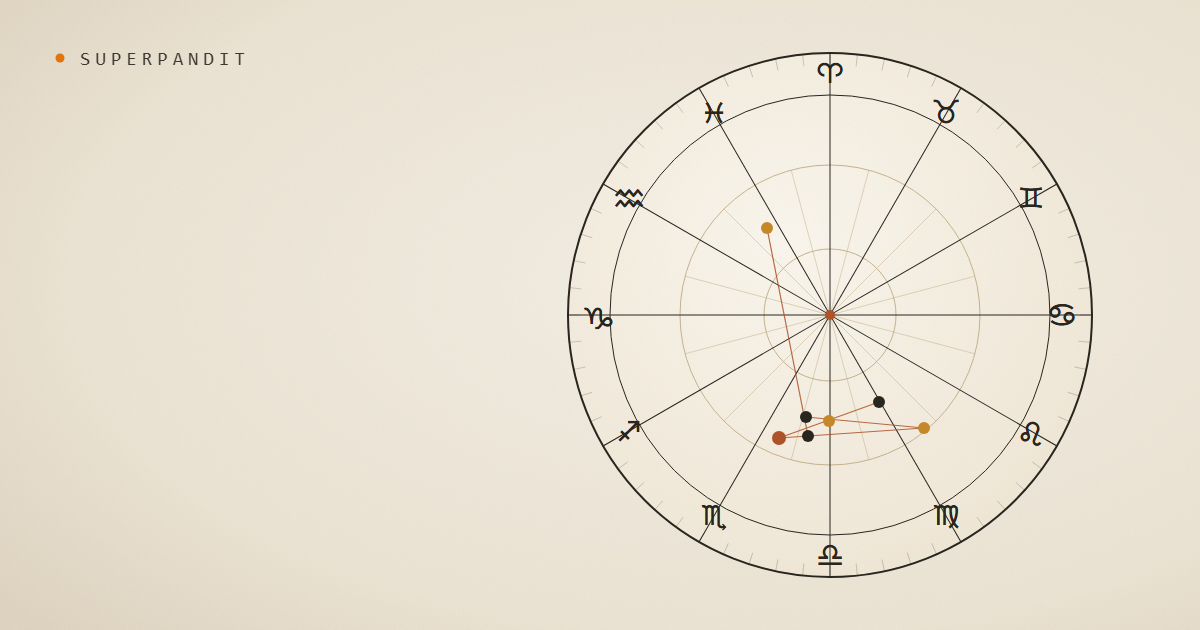
Mangal Dosha — the condition that makes a chart "manglik" — is the single most feared line in kundli matching, and also the most misunderstood. A manglik label sends families into a spin, yet the classical texts treat it as a placement to weigh, not a verdict to fear. This guide explains what Mangal Dosha (the affliction of Mars, or Mangal) really is, how it is checked, and the cancellations (parihara) that quietly neutralise it far more often than most people are told.
What Mangal Dosha actually is
Mangal Dosha arises when Mars sits in certain houses counted from a reference point in the chart. Mars is the planet of heat, drive and friction; placed in the houses that govern marriage and domestic life, tradition holds that its intensity can strain a partnership if it is left unbalanced.
Mars in the 1st, 2nd, 4th, 7th, 8th or 12th house is the standard trigger. Most careful astrologers check this from three reference points, not one:
- from the lagna (the rising sign),
- from the Moon, and
- from Venus (the natural indicator of marriage).
Counting from all three matters. A chart that looks manglik from the lagna alone may not be manglik from the Moon, which changes the weight considerably. This is exactly the kind of cross-check a full kundli matching report runs automatically, rather than stopping at a single yes/no.

Why those six houses
Each of the six houses touches the marriage in a different way:
- The 7th is the house of the spouse and marriage itself — the most direct.
- The 8th governs longevity of the marriage and in-laws.
- The 4th rules domestic peace and the home.
- The 2nd rules the family unit and speech.
- The 12th rules the bed, private life and expenditure.
- The 1st colours the self that enters the marriage.
Mars is not "bad" in these houses; it is simply strong and impatient there, and marriage asks for patience. That is the whole logic.
The cancellations most families never hear
This is where the fear usually deflates. Classical rules list many conditions under which Mangal Dosha is cancelled or heavily reduced (Mangal Dosha bhanga). The common ones:
- Both partners are manglik. Two charts carrying the same placement are said to neutralise each other — the most widely accepted cancellation.
- Mars in its own or exalted sign (Aries, Scorpio or Capricorn) behaves maturely and the dosha weakens.
- Mars in the 2nd house in a friendly sign, or the 12th in Aries/Scorpio, is often exempted.
- A benefic (Jupiter or Venus) aspecting or joining Mars softens it.
- Age. Several traditions hold that the intensity fades appreciably after the late twenties.
Because so many exemptions exist, a large share of "manglik" charts are, on closer reading, only mildly affected. The number on a matching report matters less than which condition created it and whether a cancellation applies.

How to check your own chart, honestly
You need accurate birth details — date, exact time and place — to place Mars correctly, because the house it falls in can change with the rising sign. From there:
- Find Mars and note its house from the lagna, the Moon and Venus.
- Check whether it lands in the 1st, 2nd, 4th, 7th, 8th or 12th from any of them.
- If it does, run through the cancellation list before drawing any conclusion.
You can generate the full chart and see exactly where Mars sits with a free Vedic birth chart, then read the compatibility layer on the kundli matching tool. Treat any manglik flag as the start of a conversation with a qualified astrologer, not the end of one.
The remedies tradition prescribes
Where a genuine Mangal Dosha remains after the cancellations, the classical remedies aim at Mars's heat and impatience rather than at the marriage directly:
- Kumbh Vivah — a symbolic marriage to a peepal tree, a banana plant or an idol before the real wedding, traditionally used to absorb the dosha's first charge.
- Mangal (Tuesday) observances — fasting on Tuesdays, reciting the Hanuman Chalisa, and offering red items such as masoor dal, red cloth or copper.
- Charity linked to Mars — supporting causes of courage and protection, or those who serve with their hands.
- Temperance in the marriage itself — the real remedy elders point to: patience, restraint in speech, and not letting a hot moment harden into a standing grievance.
None of these is a magic switch, and no honest astrologer promises one. They are ways of working with a Mars-driven temperament so it strengthens a marriage instead of straining it.
A calmer way to think about it
Mangal Dosha is a caution about temperament and friction, not a sentence. Two mature people, a shared cancellation, and a little self-awareness routinely outweigh it. The most useful thing a matching report gives you is not the label but the reason behind it — and whether tradition already answers that reason with a parihara.
Frequently asked questions
What is Mangal Dosha or being manglik?
It is a condition where Mars occupies the 1st, 2nd, 4th, 7th, 8th or 12th house, counted from the lagna, Moon or Venus. Tradition holds that Mars in these marriage-related houses can add friction to a partnership unless it is balanced or cancelled.
Does Mangal Dosha always cancel if both partners are manglik?
Two manglik charts neutralising each other is the most widely accepted cancellation, but it is not automatic in every school. A careful astrologer still checks the exact houses and the strength of Mars in both charts before concluding.
Can a manglik and a non-manglik marry?
Yes, and many do. Several other cancellations — Mars in its own or exalted sign, benefic aspects, or the placement fading with age — can reduce the dosha enough that the match works. The label alone is not a barrier.
What are the common remedies for Mangal Dosha?
Traditional practices include Mangal-related mantras, charity linked to Mars, and worship on Tuesdays, alongside patience and communication in the marriage itself. Remedies support temperament; they are not a guarantee of any outcome.
Sources
Related reads
Keep exploring
Researched and written by SuperPandit’s AI, grounded in our own astronomical engine. Spotted something off? Tell us.