Ganesh Chaturthi 2026: Sthapana Muhurat and the Moon Rule
Ganesh Chaturthi 2026 is on Monday, 14 September. The Madhyahna sthapana muhurat, the Chaturthi tithi timings, why tradition avoids the moon, and every visarjan date up to Anant Chaturdashi.
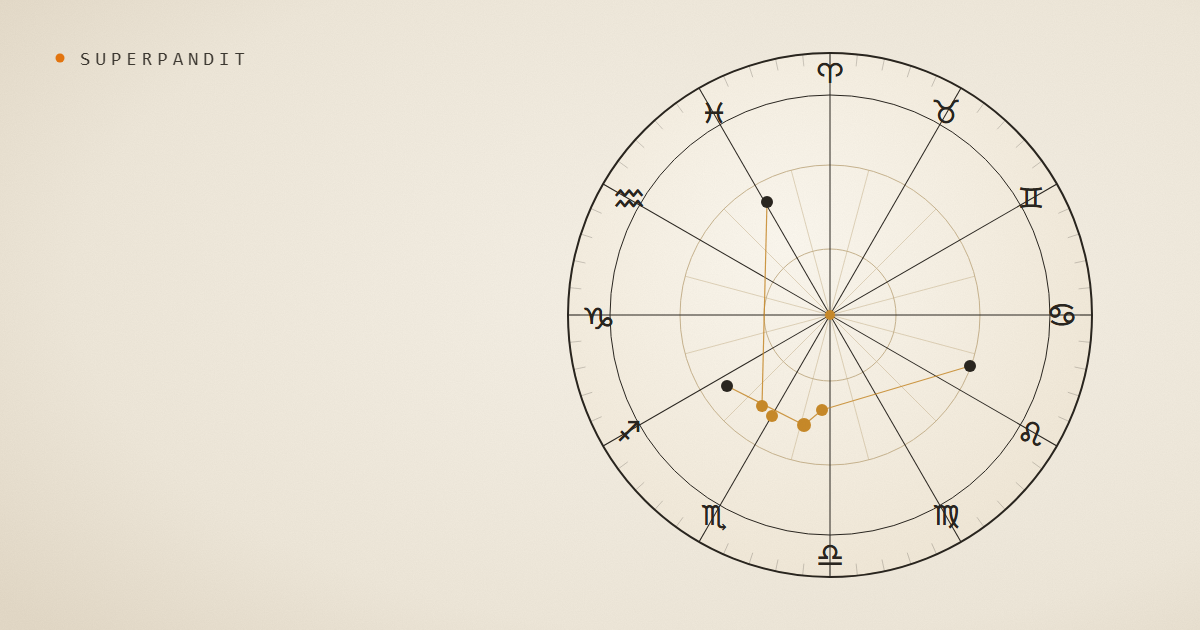
Ganesh Chaturthi 2026 falls on Monday, 14 September, and for most families the one question that matters is the Ganesh Chaturthi muhurat: the window in which to install the murti (sthapana) and perform the first puja. According to Drik Panchang's New Delhi calculation, Bhadrapada Shukla Chaturthi (the fourth lunar day of the bright fortnight of Bhadrapada) begins at 07:06 AM on 14 September and ends at 07:44 AM on 15 September. The preferred puja window, called Madhyahna (the midday segment of the day), runs from 11:02 AM to 01:31 PM in Delhi. This guide explains where those hours come from, why tradition asks you not to look at the moon, and how the visarjan dates fall across the next eleven days.
Ganesh Chaturthi 2026 date and tithi
Hindu festivals follow the tithi (lunar day), not the civil date. A tithi is the time the Moon takes to gain 12 degrees on the Sun, so it can begin at any hour and last anywhere from roughly 19 to 26 hours. Ganesh Chaturthi is observed on the day when Chaturthi prevails during Madhyahna. In 2026 the tithi begins shortly after sunrise on 14 September and covers the whole of that midday, which is why 14 September is the festival day across India.
The month name is the same in both regional calendar systems here. North Indian purnimanta calendars and the amanta calendars used in Maharashtra, Gujarat and the South differ in how they name the dark fortnight, but the bright fortnight of Bhadrapada carries the same name in both. If you want the background on why the two calendars sometimes disagree, our explainer on Bhadrapada Maas 2026 and its two calendars walks through it.
Timings shift by a few minutes from city to city because sunrise and sunset shift. Delhi figures are a reference point, not a rule for Chennai, Pune or Kolkata.

The Madhyahna muhurat: why Ganesha is installed at midday
Traditional timekeeping divides the daylight hours, sunrise to sunset, into five equal parts: pratahkala, sangava, madhyahna, aparahna and sayahna. Madhyahna is the third part, centred on local noon. Puranic tradition holds that Ganesha was born during Madhyahna, so the Chaturthi puja is preferred in that window.
For New Delhi on 14 September 2026 that window is 11:02 AM to 01:31 PM, a span of about two and a half hours. To work it out for your own city, take local sunrise and sunset, divide the length of the day by five, and use the third slice. The daily panchang shows sunrise, sunset and the running tithi for your location, which is everything you need for the calculation.
Two practical notes:
- Rahu Kaal on a Monday falls early in the morning in most Indian cities, well before Madhyahna, so it does not clash with the main muhurat this year. If you are curious why families avoid that slot, see Rahu Kaal explained.
- If midday is impossible because of work or travel, many families perform the sthapana at another time while Chaturthi is still running. Madhyahna is the ideal, not a condition for the puja to count.
A simple sthapana sequence
- Clean the space and set a raised seat (chowki) covered with a red or yellow cloth.
- Take sankalpa, a short statement of your name, gotra, place and purpose.
- Invite the deity (avahana) and perform prana pratishtha if your family tradition includes it.
- Offer the sixteen upacharas (shodashopachara) as far as you are able: water, flowers, sandal paste, incense, lamp and food.
- Offer durva grass and modak, both closely associated with Ganesha.
- Close with aarti and distribute prasad.
Why you should not look at the moon on Chaturthi
The best-known rule of this festival is to avoid seeing the moon, a practice often called Chandra darshan nishedh. Tradition says a person who sees the moon on Bhadrapada Shukla Chaturthi may face mithya dosha, a false accusation. The story usually told is that of Krishna, who was wrongly accused of stealing the Syamantaka jewel after seeing the moon on this night.
Drik Panchang gives the avoidance window for New Delhi on 14 September 2026 as 09:06 AM to 08:04 PM. On this date the Moon is a thin waxing crescent that rises in the morning and sets in the evening, so the window closes once it has set. Moonset varies by location, so check the figure for your own city rather than relying on Delhi's.
If you see the moon by accident, the traditional response is to listen to or read the Syamantaka story, or to recite this well-known verse:
Simhah Prasenam Avadhit, Simho Jambavata Hatah, Sukumaraka Marodis Tava Hyesha Syamantakah

Visarjan dates: from one and a half days to Anant Chaturdashi
Families keep Ganesha at home for different lengths of time, depending on custom and practicality. The commonly followed visarjan (immersion) dates for 2026 are:
- One and a half days: Tuesday, 15 September
- Three days: Wednesday, 16 September
- Five days: Friday, 18 September
- Seven days: Sunday, 20 September
- Anant Chaturdashi, the final day: Friday, 25 September
Pitru Paksha, the fortnight dedicated to ancestors, begins the very next day, on 26 September. That is one reason community pandals aim to complete immersion on Anant Chaturdashi itself. If you are planning a private visarjan on a particular evening and want a clean start time, the muhurat finder can suggest one around your schedule.
Ganesh Chaturthi and the birth chart
In Jyotish, Ganesha is traditionally linked with Ketu, the south lunar node, which signifies detachment, insight and the removal of obstacles. Many astrologers suggest Ganesha worship when a Ketu period feels confusing or stuck, and Wednesday, the day of Mercury (Budha), is widely kept as his weekly day.
The festival this year arrives while Mercury is strong. Mercury entered Virgo, the sign of both its exaltation and its own rulership, on 7 September 2026, a placement that favours study, accounts, writing and careful planning. That makes the Ganeshotsav days a sensible time to begin a course, open fresh books of account, or start a project you have been postponing. Treat that as a supportive backdrop rather than a promise.
Whatever the length of your celebration, the two timings to confirm for your own city this morning are the Madhyahna window and moonset, both of which the daily panchang linked above will show.
Frequently asked questions
What is the Ganesh Chaturthi 2026 sthapana muhurat?
Ganesh Chaturthi 2026 is on Monday, 14 September. The preferred Madhyahna muhurat for New Delhi is 11:02 AM to 01:31 PM according to Drik Panchang. Other cities differ by a few minutes because the window is calculated from local sunrise and sunset.
When does Chaturthi tithi begin and end in 2026?
For New Delhi, Bhadrapada Shukla Chaturthi begins at 07:06 AM on 14 September 2026 and ends at 07:44 AM on 15 September 2026. Because the tithi covers the midday of 14 September, that is the festival day.
What time should I avoid seeing the moon on Ganesh Chaturthi 2026?
Drik Panchang lists 09:06 AM to 08:04 PM on 14 September 2026 for New Delhi. The crescent Moon sets in the evening, so the avoidance window ends at moonset, which varies by city.
When is Ganesh visarjan in 2026?
Common visarjan dates are 15 September for one and a half days, 16 September for three days, 18 September for five days, 20 September for seven days, and Friday, 25 September for Anant Chaturdashi. Pitru Paksha begins on 26 September.
Sources
Related reads
Keep exploring
Researched and written by SuperPandit’s AI, grounded in our own astronomical engine. Spotted something off? Tell us.