Love Marriage in the Kundli: What the 7th House and Venus Show
Love marriage in the kundli is read from the 7th house, Venus, the 5th house and the connections between them. Here is what a chart actually shows about love versus arranged marriage.
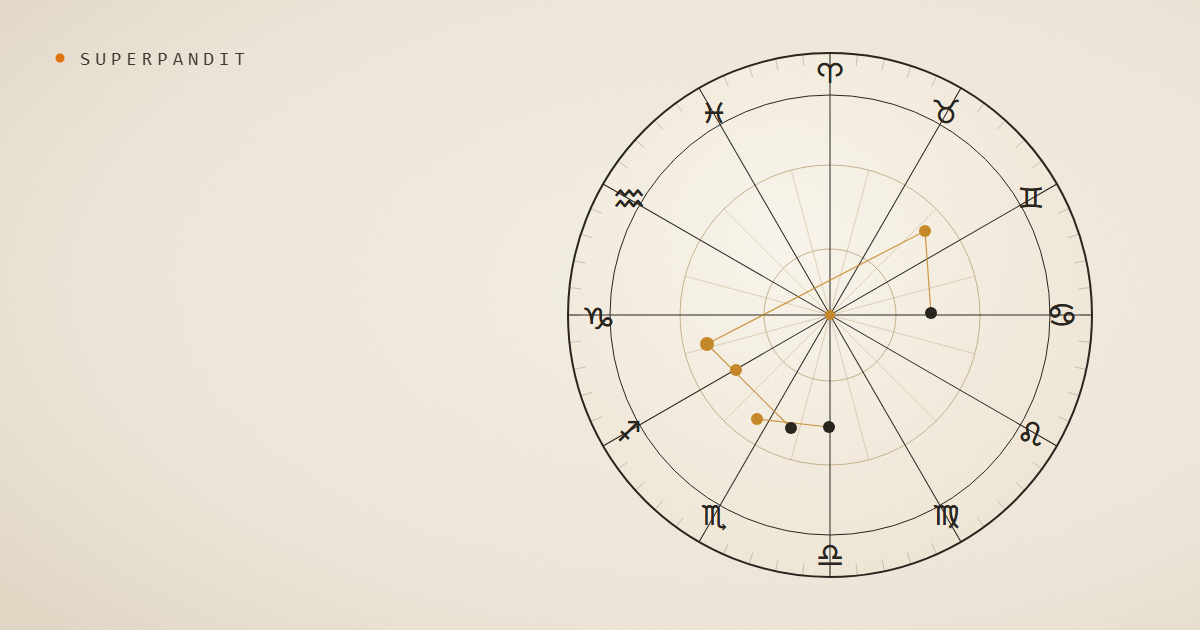
Whether a marriage will be a love marriage or an arranged one is among the most asked questions in Indian astrology, and the honest answer begins with a caution: a chart shows tendencies and timing, not a guaranteed script. That said, Vedic astrology does read love marriage in the kundli through a small, consistent set of factors — chiefly the seventh house, the fifth house, Venus, and the way they connect to each other. This guide explains what those factors mean, which combinations are classically called love-marriage yogas, and how to read them without turning a probability into a promise.
The two houses that matter most
Every marriage reading rests on the seventh house (kalatra bhava) — the house of the spouse, partnership and committed union. It describes the partner and the nature of the bond regardless of how the marriage comes about. Layered on top is the fifth house (putra/prem bhava) — the house of romance, attraction, affairs of the heart and, classically, of falling in love. When these two houses talk to each other, the chart is describing a marriage that grows out of love rather than arrangement.
The simplest signature of a love marriage is therefore a connection between the fifth and seventh houses — their lords exchanging signs (parivartana), sitting together, aspecting each other, or being joined by a common planet. That link says the person is likely to marry someone they first loved.
Venus and Mars: the significators of attraction
Beyond the houses, two planets carry the theme. Venus (Shukra) is the natural significator of love, romance, beauty and marriage for a man's chart; Mars (Mangal) carries desire and initiative and is a key significator for a woman's chart. A strong, prominent Venus — especially placed in or aspecting the fifth or seventh, or joined to their lords — tilts a chart toward romantic union. A close Venus–Mars connection is one of the most cited indicators of a passionate, self-chosen match. Rahu involved with Venus or the seventh often points to an unconventional or cross-community love marriage.
None of this operates in isolation. The dignity of these planets, the houses they own, and the overall balance of the chart decide whether the attraction settles into marriage or stays a chapter. A guided life reading that walks the houses and the dasha timeline is the way to see how these pieces sit together in one chart.
Classical love-marriage combinations
Astrologers commonly read the following as leaning toward a love marriage, always as a group rather than singly:
- The fifth and seventh lords connected by conjunction, mutual aspect or exchange.
- Venus with the seventh lord, or Venus in the fifth or seventh house, strongly placed.
- A Venus–Mars conjunction or mutual aspect, especially touching the marriage houses.
- Rahu with Venus, the fifth or the seventh — often an inter-caste, inter-faith or long-distance love.
- The Moon (mind) linked to Venus or the fifth, showing the heart drawn to romance.
An arranged marriage, by contrast, tends to show a strong, relatively "unentangled" seventh house and ninth house (family, fortune, elders) doing the work, with less fifth-house involvement. Many real charts, of course, show a blend — a family introduction that becomes love, or a love match that the family arranges formally.
Timing: when love actually arrives
A yoga in the birth chart is only a potential; it fructifies during the dasha and transits that activate it. Marriage typically arrives in the mahadasha or antardasha of the seventh lord, Venus, the fifth lord, or a planet placed in or aspecting the seventh, often as Jupiter transits the seventh house or the Moon sign. This is why two people with similar love-marriage yogas can marry years apart. For the real, plainly-worded questions people bring — when will I marry, will it be love or arranged — see the questions people actually ask about their charts, and to weigh two specific charts together, use Guna Milan and Ashtakoota matching.
Reading it honestly, and by moon sign
Two cautions keep this useful. First, no chart guarantees a love marriage or forbids one; free will, circumstance and choice do the deciding, and astrology describes the current, not the boat. Second, read the whole chart — a single Venus placement or one fifth-seventh aspect is a hint, not a headline. If you simply want to follow the romantic weather day to day, our love rashifal by moon sign gives a lighter reading tuned to your chandra rashi.
Read this way — as a map of leanings and favourable windows rather than a verdict — the kundli becomes genuinely helpful about love. It can tell you the shape of the bond you are drawn to and the seasons when partnership is most likely to form. What it cannot do, and should never claim to do, is take the choosing out of your hands. To see your own seventh house, fifth house and Venus, start with a free Vedic birth chart.
Frequently asked questions
Which house shows love marriage in a kundli?
Chiefly the fifth house of romance connected to the seventh house of marriage. When the fifth and seventh lords join, aspect or exchange signs, the chart leans toward a marriage that grows out of love. Venus and, for a woman's chart, Mars are the key planetary significators.
Can astrology predict love or arranged marriage for certain?
No. A chart shows tendencies and favourable timing, not a guaranteed outcome. Free will, family, circumstance and personal choice decide the actual result. Astrology can describe the leaning and the likely windows, and many real marriages blend love and arrangement anyway.
What role does Venus play in love marriage?
Venus is the natural significator of love, romance and marriage, especially in a man's chart. A strong Venus placed in or aspecting the fifth or seventh house, or joined to their lords, tilts a chart toward romantic union. A Venus-Mars connection is a classic sign of a passionate, self-chosen match.
What does Rahu with Venus or the 7th house mean for marriage?
Rahu linked to Venus, the fifth or the seventh house often points to an unconventional love marriage — inter-caste, inter-faith, long-distance or otherwise outside expectation. As with every combination, it is read together with the whole chart, not as a standalone verdict.
When does a love marriage happen according to the chart?
Marriage generally fructifies in the dasha or antardasha of the seventh lord, Venus, the fifth lord or a planet influencing the seventh, often as Jupiter transits the seventh house or Moon sign. The birth-chart yoga sets the potential; the dasha and transits set the timing.
Related reads
Keep exploring
Researched and written by SuperPandit’s AI, grounded in our own astronomical engine. Spotted something off? Tell us.