When Will I Get Married? What Astrology Checks in Your Kundli
When will I get married, according to astrology? How Vedic astrologers time marriage in three layers: the 7th house promise, the dasha that delivers it, and the Jupiter-Saturn double transit, plus what delays it.
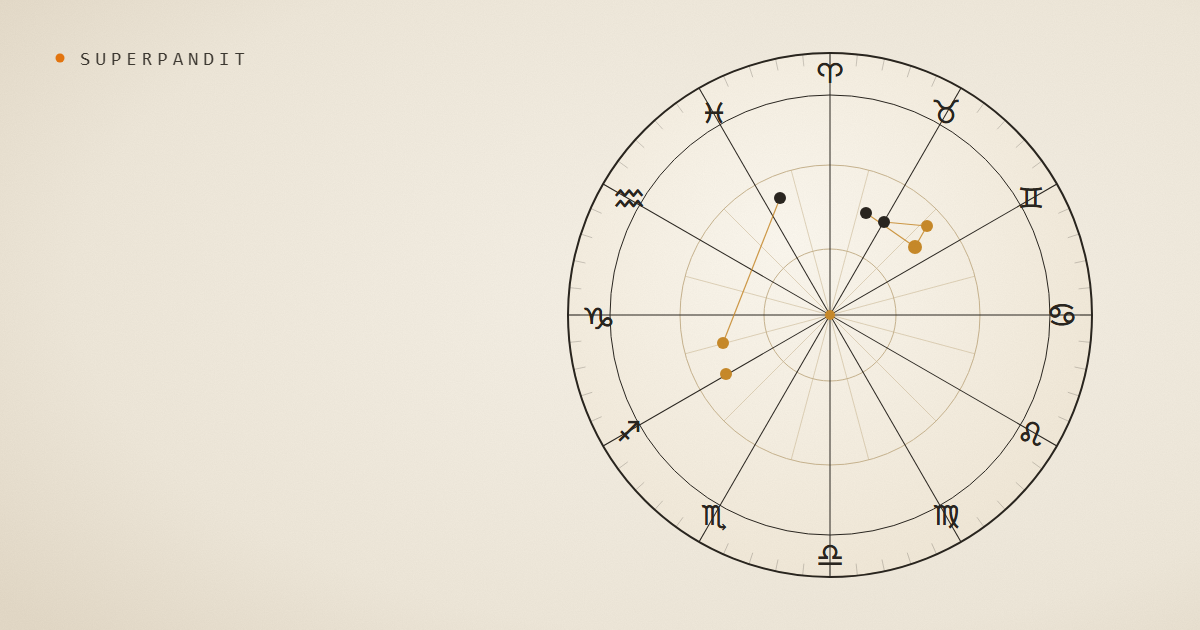
When will I get married is one of the most common questions put to any astrologer in India, and a good answer is never a single date. Vedic astrology approaches marriage timing in three layers: what the birth chart promises, which dasha (planetary period) can deliver it, and which transits (gochar) switch it on. This guide explains how those layers work together, what a marriage prediction by date of birth can and cannot say, and why a delay shown in a chart is not the same as denial.
When will I get married: a window, not a date
Astrology describes periods when an event is more likely, not appointments. A competent reading might say that the next two years are strongly indicated, with one six-month stretch standing out. It should not promise a wedding on a named day.
Three things improve the accuracy of any timing reading:
- An accurate birth time. Houses, including the 7th house of marriage, depend on the lagna (rising sign), which changes roughly every two hours.
- Real-life context. Age, family plans and whether someone is already in a relationship all shape how an indication shows up.
- Agreement between methods. When the promise, the dasha and the transits all point the same way, the window deserves to be taken seriously.

Step one: does the chart promise marriage?
The first question is how the chart describes partnership at all. Astrologers check:
- The 7th house from the lagna, the house of marriage and committed partnership, and any planets sitting in it.
- The 7th lord, the planet ruling that house, and whether it is strong, afflicted, or placed in a difficult house such as the 6th, 8th or 12th.
- Venus, the natural significator of love and marriage. Many traditional astrologers also give weight to Jupiter as the significator of the husband in a woman's chart.
- The navamsa (D9 chart), the divisional chart studied specifically for marriage, which can support or undermine what the main chart shows. Our explainer on reading the navamsa chart walks through it.
When these factors are reasonably strong, the chart is said to promise marriage. When several are afflicted, marriage is still possible but tends to come later, with more negotiation, or after an early disappointment.
Step two: the dasha that delivers it
In the Vimshottari dasha system, life unfolds through major planetary periods (mahadasha) and sub-periods (antardasha). A promised event usually happens in a period connected to it. For marriage, the strongest candidates are:
- The mahadasha or antardasha of the 7th lord
- The period of a planet placed in the 7th house
- The period of Venus, or of the planet ruling the sign Venus occupies
- Periods of Rahu, which often brings sudden or unconventional unions when linked to the 7th house
- The period of the lagna lord when it is connected with the 7th
If you do not yet know your dasha dates, the guided life reading with a dasha timeline lists your periods and shows which ones are tied to partnership.

Step three: the double transit
A dasha opens a door. Transits decide when you walk through it. A widely used rule, popularised by the astrologer K. N. Rao, is the double transit: an event becomes most likely when both Jupiter and Saturn influence the relevant house or its lord at the same time, either by occupying it or by aspecting it.
For marriage, look for Jupiter and Saturn both touching the 7th house, the 7th lord, or the lagna.
Here is a worked example from the current sky. Jupiter is transiting Cancer at present and casts its 5th, 7th and 9th aspects on Scorpio, Capricorn and Pisces. Saturn is transiting Pisces. That puts both slow planets on Pisces at the same time. For someone with a Virgo lagna, Pisces is the 7th house, so the double transit is active on their house of marriage right now. That alone does not marry anyone, but combined with a 7th-lord or Venus period it becomes a strong indication. The same logic applies to your own chart, counted from your own lagna.
What delays marriage in a kundli
Several patterns are traditionally linked with late marriage:
- Saturn in or aspecting the 7th house, or aspecting its lord, which tends to delay a marriage but also to stabilise it.
- Rahu or Ketu on the 1st-7th axis, which can bring uncertainty or unusual circumstances around partnership.
- Mangal dosha (manglik status), which families often treat as a reason to wait for a suitable match.
- A 7th lord in the 6th, 8th or 12th house, or combust, meaning too close to the Sun.
Late marriage yoga describes a slower route, not a closed one. Many charts with these features show stable, lasting marriages once the right period arrives. For the questions people most often bring to astrologers, with what to check in each case, see real astrology answers.
After the timing: checking the match
Timing tells you when. It does not tell you with whom. Once a proposal is on the table, the next step is to compare both charts: Guna Milan scores the two Moons, and a fuller reading adds Mangal dosha, the 7th houses and the navamsa of both people. When you are ready, run both sets of birth details through the kundli matching calculator for a Guna Milan score and a manglik check.
Frequently asked questions
Can astrology predict the exact date of marriage?
Not responsibly. Vedic astrology identifies windows when marriage is more likely by combining the chart's promise, the running dasha and the transits of Jupiter and Saturn. A good reading names a period, not a specific day.
Which dasha brings marriage?
Marriage most often happens in the mahadasha or antardasha of the 7th lord, a planet in the 7th house, Venus, or Rahu when it is connected to the 7th house. The period of the lagna lord can also deliver it when linked to the 7th.
What is the double transit for marriage?
The double transit rule, popularised by K. N. Rao, says an event is most likely when Jupiter and Saturn both influence the relevant house or its lord at the same time. For marriage that means both touching the 7th house, the 7th lord or the lagna.
Does late marriage yoga mean I will never marry?
No. Factors such as Saturn on the 7th house or a weak 7th lord usually describe delay, not denial. Many charts with these features show stable marriages once a supportive dasha and transit arrive.
Sources
Related reads
Keep exploring
Researched and written by SuperPandit’s AI, grounded in our own astronomical engine. Spotted something off? Tell us.