Astrology and the Chakras: How Planets Map to Your Energy
Astrology and the chakras describe the same person in two languages. Here is a clear map of planets to chakras, houses to energy centres, and the Ida-Pingala channels.

Astrology and the chakras describe the same human being in two languages. One speaks of grahas (the planets) moving through the twelve houses of a birth chart; the other speaks of the chakras, the spinning energy centres arranged along the spine. Pairing the two is a modern contemplative practice rather than a rule handed down in the classical Jyotish texts, but many practitioners find that mapping planets to chakras gives a practical, felt sense of where a chart's energy runs strong and where it needs balancing. This guide lays out the correspondences plainly so you can use them without getting lost.
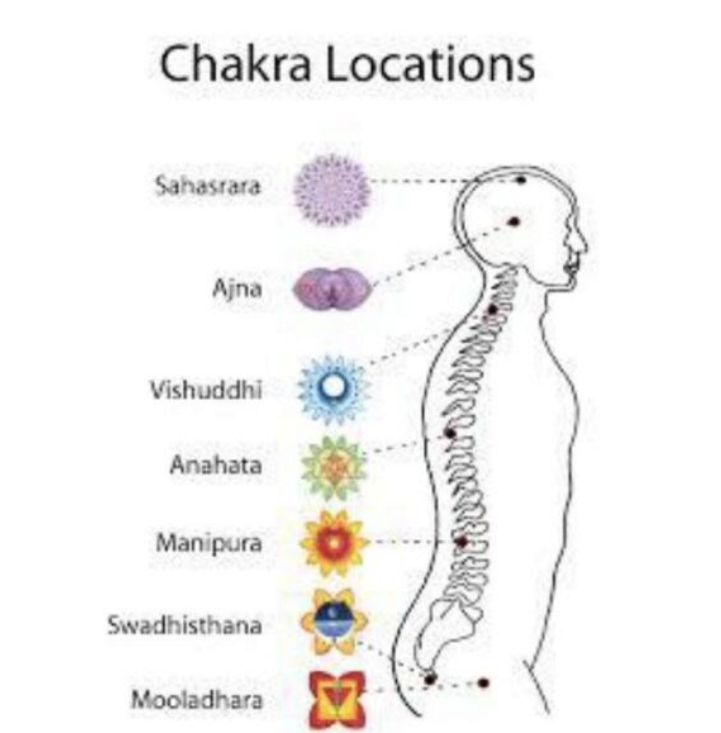
The seven chakras and where they sit
Chakra means wheel in Sanskrit. The seven main chakras run from the base of the spine to the crown of the head, each governing a band of physical, emotional and spiritual life:
- Muladhara (root), at the base of the spine: survival, stability, the body.
- Svadhisthana (sacral), lower abdomen: emotion, desire, creativity.
- Manipura (solar plexus), navel: willpower, confidence, digestion of experience.
- Anahata (heart), centre of the chest: love, compassion, relationship.
- Vishuddha (throat): communication, truth, self-expression.
- Ajna (third eye), between the brows: insight, intuition, discernment.
- Sahasrara (crown), top of the head: awareness, surrender, spiritual connection.
Planets and their chakras
The heart of the system is a set of correspondences between the seven visible planets of Jyotish and the seven chakras. The mapping below pairs each planet with the centre whose qualities it most resembles.
| Planet | Chakra | Core theme |
|---|---|---|
| Sun (Surya) | Manipura, Solar Plexus | Personal power, confidence |
| Moon (Chandra) | Svadhisthana, Sacral | Emotions, intuition |
| Mercury (Budha) | Vishuddha, Throat | Communication, expression |
| Venus (Shukra) | Anahata, Heart | Love, relationships |
| Mars (Mangal) | Muladhara, Root | Action, vitality |
| Jupiter (Guru) | Ajna, Third Eye | Wisdom, higher knowledge |
| Saturn (Shani) | Sahasrara, Crown | Discipline, spiritual depth |
This is one respected scheme, not the only one; some traditions assign the planets differently, for example placing Saturn at the root and the Sun at the crown. Treat it as a working lens rather than a fixed law. What matters in practice is that a strong or afflicted planet in your chart points to a chakra worth attention.
Houses, elements and the chakras
A second layer connects the twelve houses (bhavas) and the five elements (tattvas) to the chakras. Each house carries an element, and each element resonates with a centre of the body:
- Fire houses (1, 5, 9): identity, creativity, fortune.
- Earth houses (2, 6, 10): resources, work, standing.
- Air houses (3, 7, 11): communication, partnership, networks.
- Water houses (4, 8, 12): emotion, transformation, release.
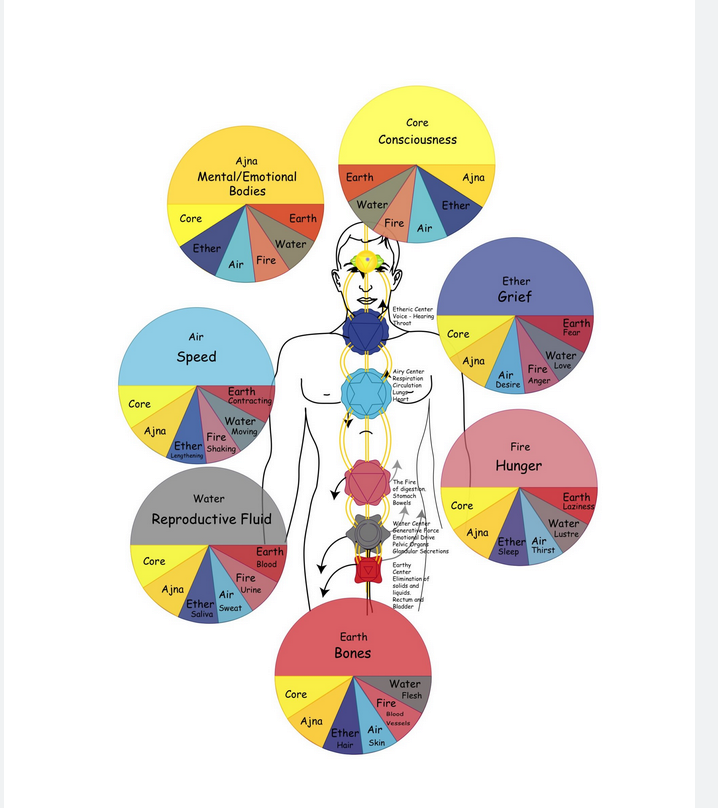
Read this way, the first house and its fiery self-identity resonate with the grounding root chakra, the fourth house of home and feeling with the heart, and the sixth house of health and daily service with the discerning third eye. The correspondences are a bridge for reflection, helping you sense which area of life a given chakra is asking you to tend.
Ida, Pingala and Sushumna: the solar and lunar channels
Alongside the chakras run three nadis, the subtle channels through which prana (life energy) flows. Two of them are explicitly solar and lunar, which is where astrology and yoga meet most directly.
- Ida, the left channel, is lunar: cooling, receptive, tied to the Moon, the mind (manas) and the passive tha of hatha yoga.
- Pingala, the right channel, is solar: warming, active, tied to the Sun, the life-force (prana) and the dynamic ha of hatha yoga.
- Sushumna, the central channel, is the still axis up which awareness rises when the two are balanced.
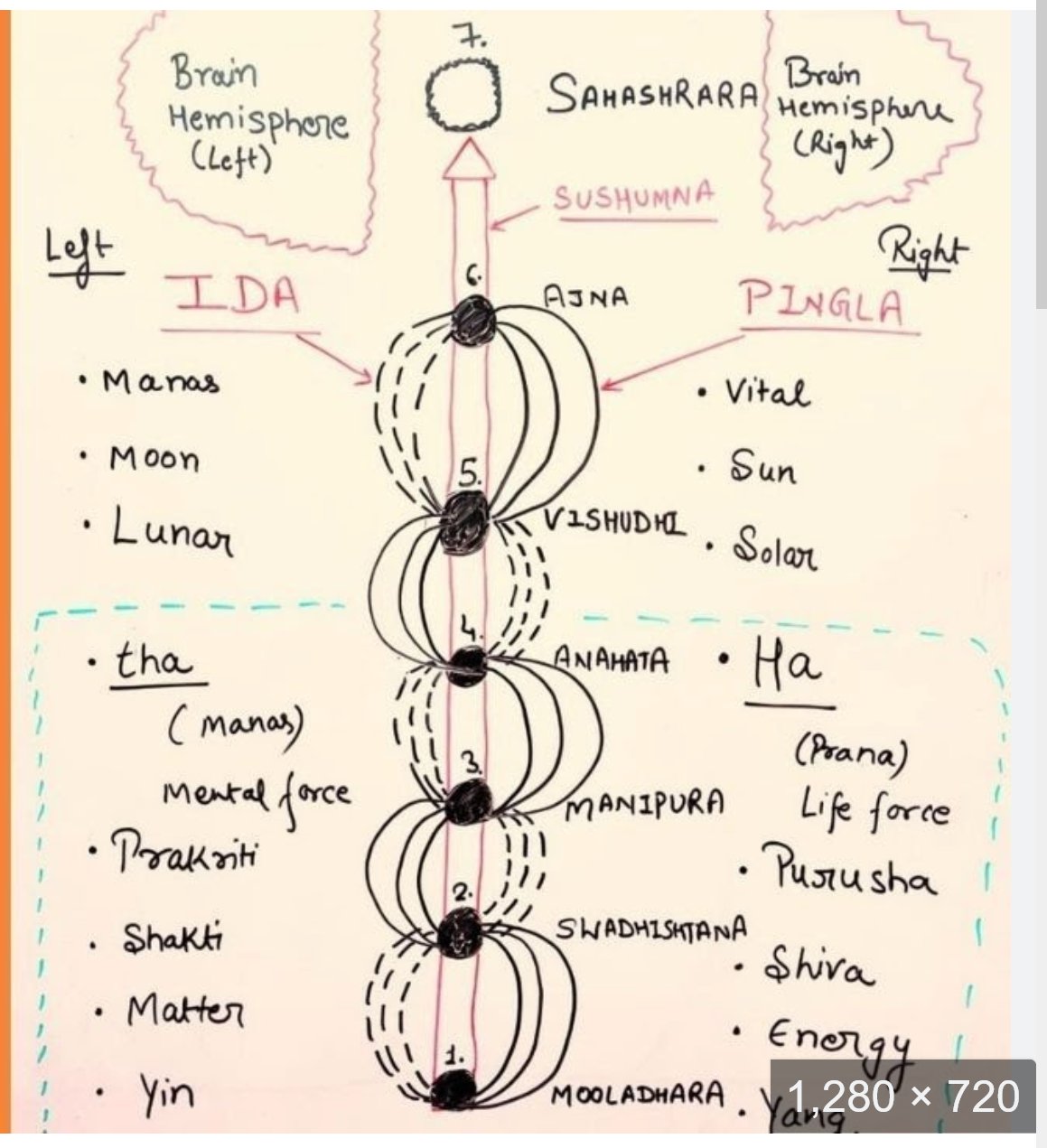
The balance of Sun and Moon in your own chart, and the state of the signs and houses they occupy, offers a natural entry point: a strong, well-placed Sun supports the solar Pingala current of drive and clarity, while a serene Moon supports the lunar Ida current of calm and receptivity.
Palm chakra points and a simple practice
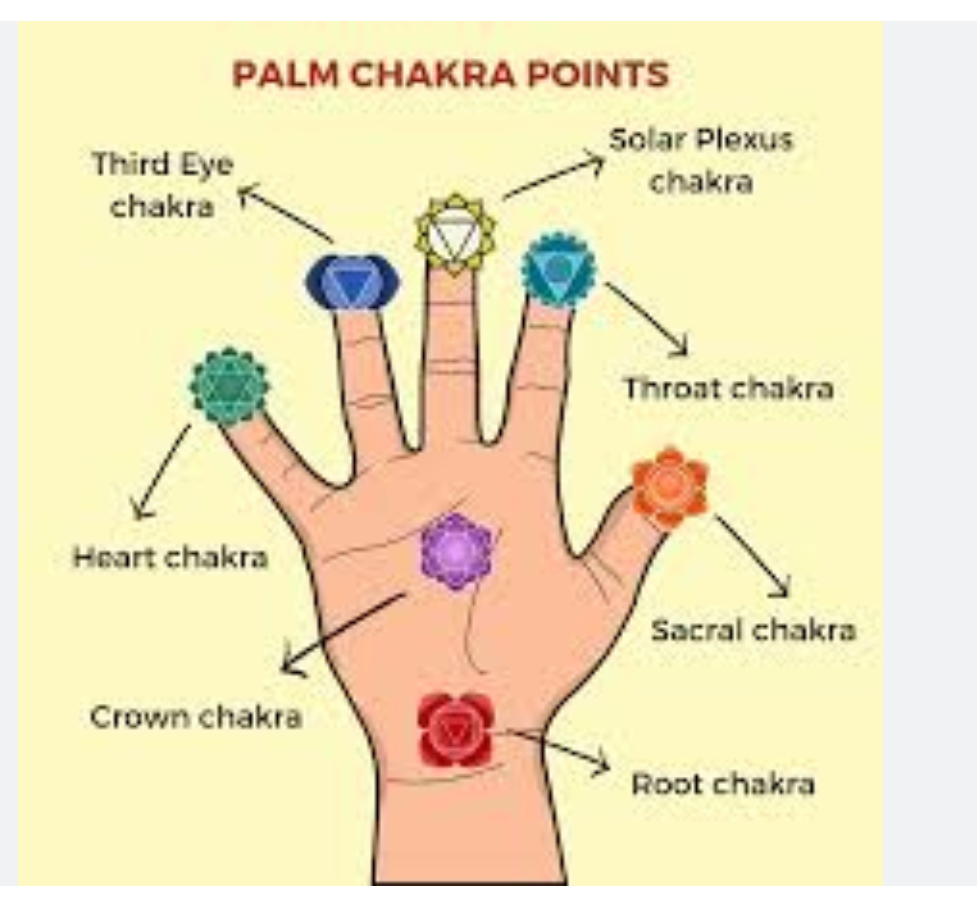
The hands carry their own chakra points, used in mudra (hand gestures) and in energy healing. Each fingertip and part of the palm is associated with one of the centres, which is one reason gemstone rings are traditionally matched to specific fingers.
To put all of this to use, work in three steps. First, identify the dominant planets in your chart, the ones that are strongest, most afflicted, or currently running their dasha. You can see these at a glance by generating a free Vedic birth chart. Second, reflect on which areas of life feel blocked or overactive and note the chakra each corresponds to. Third, engage a targeted practice, such as meditation, yoga, mantra or colour work, focused on that centre.
None of this replaces medical or psychological care; it is a framework for self-understanding, not a treatment. For a deeper reading of which planetary energies dominate your chart and when they come forward in your timeline, a guided life reading walks through your dasha periods, or you can speak with an astrologer about balancing a specific planet.
Frequently asked questions
Is the link between astrology and chakras traditional?
Pairing the seven planets with the seven chakras is largely a modern contemplative synthesis rather than a rule from the classical Jyotish texts. Both systems come from Indian tradition, and many practitioners find the mapping useful, but it should be treated as a reflective lens for self-understanding, not as ancient astrological doctrine.
Which planet rules which chakra?
In the common scheme used here, the Sun rules the solar plexus (Manipura), the Moon the sacral (Svadhisthana), Mercury the throat (Vishuddha), Venus the heart (Anahata), Mars the root (Muladhara), Jupiter the third eye (Ajna) and Saturn the crown (Sahasrara). Other traditions assign them differently, so treat it as one respected framework.
What are Ida, Pingala and Sushumna?
They are three nadis, or subtle channels, that carry prana through the body. Ida is the lunar left channel linked to the Moon and the mind; Pingala is the solar right channel linked to the Sun and life-force; Sushumna is the central channel up which awareness rises when the two are in balance.
How do I know which chakra to work on from my chart?
Look at the planets that are strongest, most afflicted, or currently running their dasha in your birth chart, then use the planet-to-chakra map to find the associated centre. Reflect on which areas of life feel imbalanced, match them to their chakra, and focus practices such as meditation, mantra or yoga there.
Can working with chakras replace medical treatment?
No. The astrology-chakra framework is a tool for reflection and personal development, not a medical or psychological treatment. It can sit alongside professional care but should never replace it, and no energy practice guarantees a health outcome.
Related reads
Keep exploring
Researched and written by SuperPandit’s AI, grounded in our own astronomical engine. Spotted something off? Tell us.