Marriage Matching by Name: Naam Milan When Birth Time Is Missing
How marriage matching by name works when no birth time is known: the first syllable maps to a nakshatra, which feeds the same Guna Milan. What it can check, what it misses, and when to prefer a date-of-birth match.
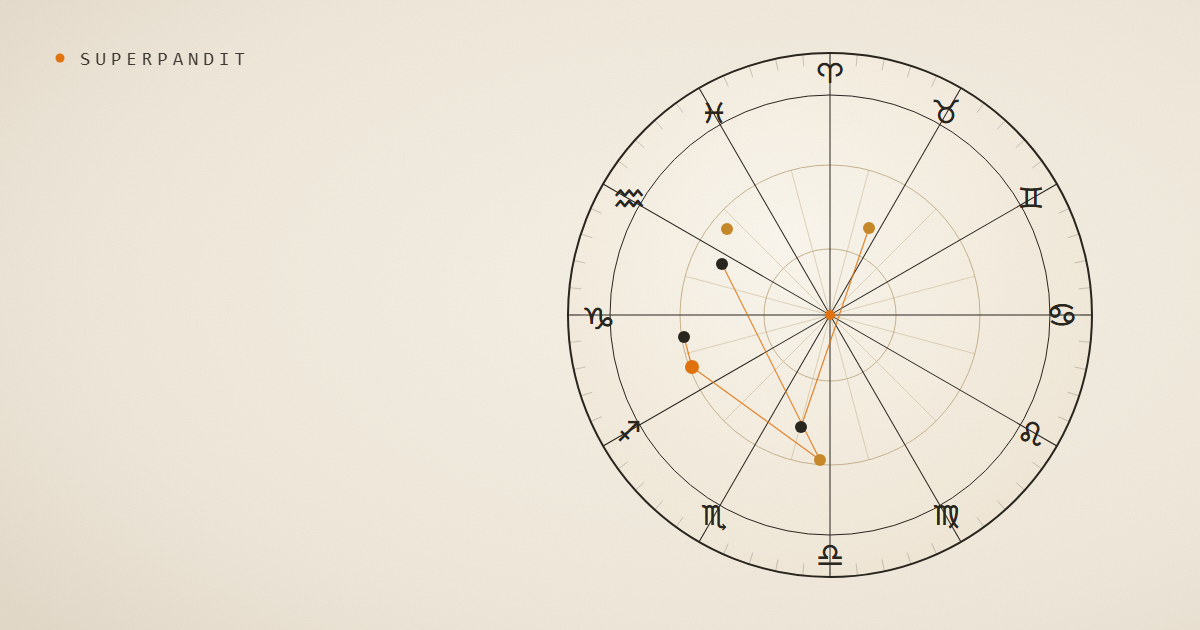
Marriage matching by name — naam se gun milan in Hindi, "matching by name" — is what families reach for when one or both people do not know their birth time. It is a real, traditional method, not a shortcut invented by apps, but it has clear limits. This guide explains how matching by name actually works, which parts of the 36-point Guna Milan it can and cannot reproduce, and when you should insist on a full kundli matching by date of birth instead.
How matching by name works: syllable to nakshatra
Every one of the 27 nakshatras (lunar mansions) is divided into four padas (quarters), and each pada is assigned a sound. This table is called the avakahada chakra, and it is the same table priests use to suggest a baby's naming syllable from the birth star. Matching by name simply runs it backwards: take the first sound of the name and look up the nakshatra pada it belongs to.
A few examples from the standard table:
- Ashwini: Chu, Che, Cho, La
- Bharani: Li, Lu, Le, Lo
- Krittika: A, I, U, E
- Rohini: O, Va, Vi, Vu
So a name beginning with "Lo" is read as Bharani, which sits wholly in Aries, giving a Moon sign of Mesha. Once each person has a nakshatra and a rashi (Moon sign), the eight kootas (matching factors) of Ashtakoota can be scored exactly as in a birth-chart match. Our guide to Guna Milan and the 36 points walks through all eight.

Birth name versus calling name
The method is only as good as the name you feed it. Traditionally the name used is the janma naam — the name given from the birth nakshatra at the naming ceremony — not the everyday name on a passport. When a family chose the name using the birth star, matching by name lands very close to a date-of-birth match. When the name was chosen for any other reason, the nakshatra it produces may have nothing to do with the person's actual Moon.
Two practical rules follow:
- If a janma naam exists, use it, even if nobody calls the person that.
- If only a modern name exists and the date of birth is known, matching by date (even without an exact time) is usually more reliable, because the Moon's sign is often fixed for most or all of that day.
What naam milan can and cannot check
Because all eight kootas are built from the Moon's nakshatra and sign, name matching can produce a full 36-point Guna Milan score. That includes the heavy kootas — Nadi (8 points), Bhakoot (7) and Gana (6). If you want to understand why those three dominate a score, see our explainers on Bhakoot dosha and Gana dosha.
What it cannot do is anything that needs the rest of the chart:
- Mangal dosha (manglik check): needs Mars's house from the lagna (rising sign), which needs a birth time.
- 7th house and its lord: the house of marriage itself is unknown without a lagna.
- Navamsa (D9) chart: the marriage divisional chart needs an accurate time.
- Dasha timing: when a marriage is likely to be smooth or tested depends on the running planetary period.
That is why many astrologers treat a name match as a first filter rather than a final verdict.

A worked example of naam milan
Take two hypothetical names: Lokesh and Rohini. "Lo" belongs to the fourth pada of Bharani, so Lokesh is read as Bharani nakshatra with the Moon in Aries (Mesha). "Ro" is not a standard syllable for Rohini; the nearest sounds are "O" and "Va", and an astrologer would have to decide whether the family meant the name to sound like "O" (Rohini) or something else. This is the first practical problem with name matching: many modern names begin with sounds that do not map cleanly to one pada, and two astrologers can make different calls.
Suppose the family confirms the name was given for Rohini nakshatra, with the Moon in Taurus (Vrishabha). Now the eight kootas can be scored:
- Varna, Vashya, Tara, Yoni, Graha Maitri — the "smaller" kootas, worth 1 to 5 points each, come from the signs, star counts and animal symbols.
- Gana — Bharani is Manushya and Rohini is Manushya, so Gana scores fully.
- Bhakoot — Aries and Taurus sit 2nd and 12th from each other, a classic Bhakoot dosha that scores zero.
- Nadi — Bharani and Rohini fall in different nadis, so Nadi scores its full 8.
The total might look acceptable, but the Bhakoot zero is exactly the kind of detail a family should look at before celebrating a number. The same logic applies whether the inputs came from names or birth data; what changes is how much you trust the inputs.
Name matching across regions
Different communities use slightly different syllable tables, especially for sounds that differ between Hindi, Tamil, Telugu and Bengali. In the South, the same nakshatras feed the ten-porutham system rather than the 36-point score. If your family follows a regional panchang, ask which table it uses before comparing results from two sources.
When matching by name is the right tool
There are sensible uses for it:
- Early screening when proposals arrive with only a name and a family background.
- Older generations whose birth times were never recorded but whose janma naam was given by a priest.
- A sanity check alongside a date-of-birth match, to see if the names tell the same story.
And there are cases where it should not decide anything: when the score sits near the 18-point threshold, when Nadi or Bhakoot scores zero, or when one partner's name clearly was not drawn from the birth star.
Doing it properly: a short checklist
- Collect the janma naam if there is one; note the everyday name separately.
- If either person knows their date of birth, run a date-based match too and compare.
- Look past the total: a 26 with Nadi at zero needs more thought than a clean 20.
- If the match matters and times are missing, an astrologer can attempt birth-time rectification from life events.
- Treat any score as one input among many — temperament, values and family support matter as much as gunas.
When you do have dates of birth, the free kundli matching tool scores all eight kootas and adds the manglik check that a name match cannot. For a nuanced second opinion on a borderline result, you can also talk to an astrologer.
Frequently asked questions
Is marriage matching by name accurate?
It is accurate only when the name used is the janma naam drawn from the birth nakshatra. Then it gives nearly the same Guna Milan as a date-of-birth match. With a modern or unrelated name, the nakshatra it assigns may not reflect the person's real Moon.
Can naam milan check mangal dosha?
No. Mangal dosha depends on the house Mars occupies from the lagna, and the lagna needs a birth time. A name match can only score the eight Moon-based kootas.
How many gunas should match in name matching?
The same rule applies as in any Guna Milan: 18 of 36 is the conventional minimum, and scores above 24 are considered good. Look at Nadi, Bhakoot and Gana individually, because a zero in any of them weighs more than the total suggests.
Should I use name or date of birth for kundli matching?
Prefer date of birth whenever it is known, even without an exact time, because the Moon's sign is often fixed for most of a day. Use the name method when no birth data exists or as a cross-check.
Sources
Related reads
Keep exploring
Researched and written by SuperPandit’s AI, grounded in our own astronomical engine. Spotted something off? Tell us.