Kundli Matching Before the Roka: A Checklist for the Wedding Season
With Chaturmas over, families are fixing rokas and engagement dates. A practical kundli matching checklist: birth data, the Guna Milan total, the three heavy kootas, manglik status, the full charts, and muhurat.
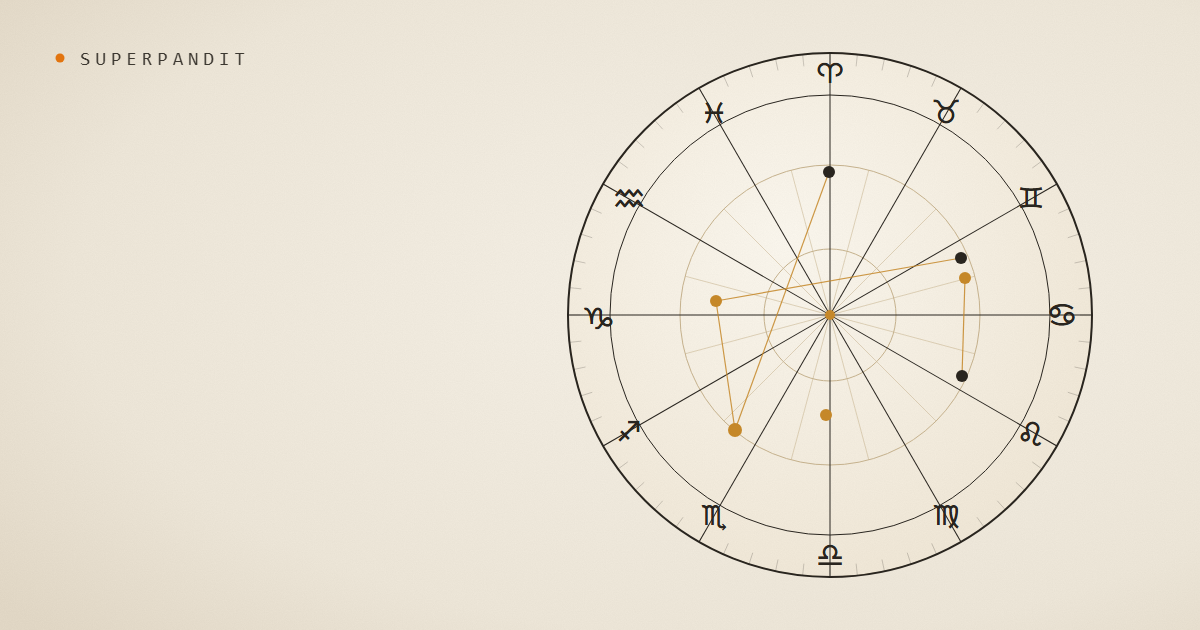
Kundli matching for marriage is usually done in a hurry, often the week the families first meet. With Dev Uthani Ekadashi on 20 November 2026 closing Chaturmas, many households are now fixing roka and engagement dates, which makes this the right moment to slow the process down. The checklist below is the order a careful astrologer follows: get the data right, read the score, read beyond the score, then pick a date.
Step 1: Get the birth data right
Every number in a match comes from three facts per person: date, time and place of birth. Errors here quietly change the result.
- Time matters more than people think. The Moon moves about one nakshatra pada every few hours. If either Moon is near a boundary, a 30-minute error can change the nakshatra, and with it several kootas.
- Use the birth certificate or hospital record where possible, not a remembered "around evening".
- Place matters for the lagna (rising sign) and the houses, which a full compatibility reading needs.
- No birth time at all? Name-based matching exists, with real limits. We explain those in marriage matching by name.

Step 2: Read the Guna Milan total, but do not stop there
Ashtakoota Guna Milan gives a score out of 36 across eight kootas. The commonly quoted guide:
- Below 18: traditionally not recommended without careful review
- 18 to 24: acceptable
- 25 to 32: good
- Above 32: very good
A total is a summary, not a verdict. Two couples with 24 points can have completely different strengths. If your score is close to the line, read our piece on what a low kundli milan score really means. To get the full koota table in one go, use the Guna Milan calculator.
Step 3: Check the three heavy kootas separately
Three kootas carry 21 of the 36 points, and each has its own dosha and cancellation rules:
- Nadi (8 points): same nadi on both sides gives zero and is called Nadi dosha. Traditional texts list several exceptions, such as the same rashi with different nakshatras.
- Bhakoot (7 points): certain Moon-sign distances, such as 6-8 or 2-12, give zero. It is often cancelled when the two Moon-sign lords are friends or the same planet. See Bhakoot dosha explained.
- Gana (6 points): Deva, Manushya and Rakshasa temperaments; a Deva-Rakshasa pairing scores lowest.
Write down for each: the score, whether a dosha is present, and whether a recognised cancellation applies. That one table answers most family questions.

Step 4: Check manglik status on both sides
Mangal dosha (being manglik) is checked from the lagna, and often also from the Moon and Venus, by Mars in the 1st, 2nd, 4th, 7th, 8th or 12th house. The points to note:
- Is either partner manglik? From which reference point?
- Is it cancelled in the chart itself, for example by Mars in its own or exalted sign?
- Is it matched? Two manglik charts are traditionally considered to balance each other.
Our full guide is Mangal dosha: how to check it and when it cancels.
Step 5: Look at the two charts as charts
Guna Milan only uses the two Moons. A serious match also looks at:
- The 7th house and its lord in each chart: the house of partnership.
- Venus, and for a traditional reading Jupiter in the bride's chart.
- The navamsa (D9) chart, the divisional chart most associated with marriage.
- Running dashas: are both partners entering supportive periods, or is one about to begin a demanding one? This does not stop a marriage, but it sets expectations.
This is the part a calculator alone cannot finish. If the score is borderline or a dosha is unresolved, a live consultation with an astrologer is worth more than a second calculator.
Step 6: Only then, pick the muhurat
Once both families are comfortable with the match, choose dates. With Chaturmas over, vivah muhurat dates return, but each still has to pass panchang checks: tithi, nakshatra, the lagna at ceremony time, and the absence of Venus or Jupiter combustion. Shortlist two or three dates with the muhurat finder and confirm with your family purohit.
Questions families should ask openly
A match is also a conversation between two families, and astrology works best when it is used to open discussion rather than close it. Before the roka, it helps to agree on a few things out loud:
- Who is reading the charts? If each family uses a different astrologer, ask both to share the same table: total score, each koota, doshas and cancellations. Disagreements are usually about schools and cancellation rules, not about the arithmetic.
- What score will we accept? Decide this before seeing the result, not after. It prevents the number from being stretched to fit a decision already made.
- What happens if a dosha appears? Agree in advance whether you will look for cancellations, consult a third astrologer, or consider remedies. Remedies in Jyotish are practices of discipline and devotion; no honest astrologer will promise that they erase a chart factor.
- Do the couple agree? The two people marrying should see the reading too. A compatibility report explained to them often starts a better conversation than any score.
Families who skip this step tend to discover their disagreements on the wedding calendar, which is the worst place to find them.
The short version
- Verify birth times.
- Read the total.
- Read Nadi, Bhakoot and Gana one by one, with cancellations.
- Check manglik status for both.
- Read the 7th house, Venus, D9 and dashas.
- Then pick the muhurat.
Start with step two in under a minute on the kundli matching page.
Frequently asked questions
When should kundli matching be done, before or after the roka?
Before. Matching after a roka or engagement puts families under pressure to ignore what they find. Doing it first lets you discuss any dosha and its cancellation calmly.
Is a Guna Milan score of 18 enough for marriage?
Traditionally 18 out of 36 is the minimum acceptable total. It is a starting point, not a verdict; the individual kootas, any doshas and the two full charts matter more than the number alone.
Does kundli matching need an exact birth time?
Guna Milan needs each person's Moon nakshatra, which is usually stable within an hour or two, but not always. A full compatibility reading using the lagna, houses and navamsa needs a reasonably accurate time.
What should we do if there is Nadi or Bhakoot dosha?
First check whether a recognised cancellation applies, which is common. If it does not, look at the full charts and Graha Maitri before deciding, and consider a consultation rather than a decision based only on the score.
Sources
Related reads
Keep exploring
Researched and written by SuperPandit’s AI, grounded in our own astronomical engine. Spotted something off? Tell us.